
Massimo Bottura’s Casa Maria Luigia debuts at No.18 in The World’s 50 Best Hotels 2026 as the year’s highest new entry.
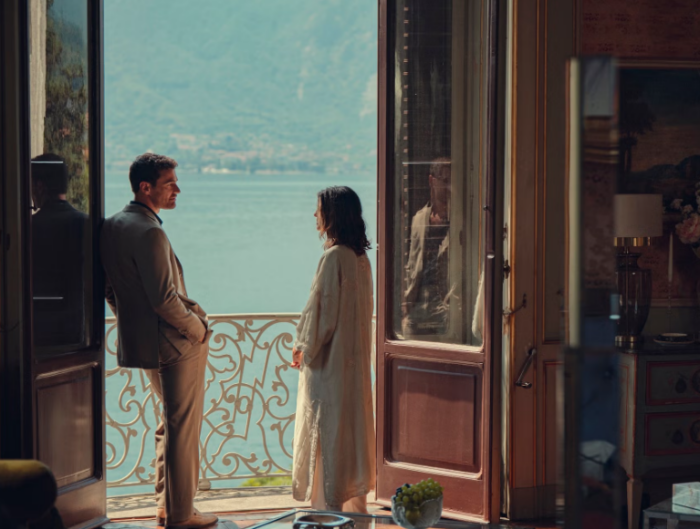
Casa Maria Luigia enters the global ranking at No. 18, confirming that the most compelling new hotels may be built around a chef’s world rather than a hotel brand. The highest new entry in The World’s 50 Best Hotels 2026 is not a skyscraper, a beach resort or a grand urban palace. It is Casa Maria Luigia, the deeply personal country house created by chef Massimo Bottura and Lara Gilmore outside Modena. The property entered the list directly at No.18 and received the Lavazza Highest New Entry Award.
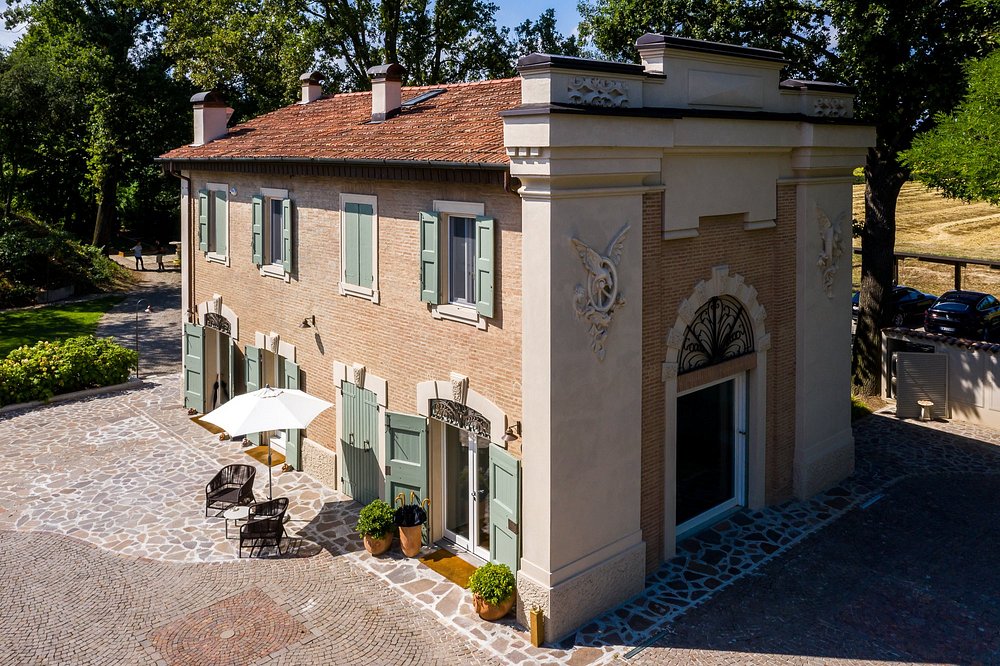
Calling it a hotel is accurate but incomplete. Casa Maria Luigia functions as an extension of the couple’s home, art collection, record library and culinary imagination and as the unofficial country estate of the wider Osteria Francescana universe.
Hospitality beyond Osteria Francescana
Bottura and Gilmore acquired the 18th-century property in the Emilian countryside to extend their approach to hospitality beyond the doors of Osteria Francescana, their three-Michelin-starred restaurant in Modena.
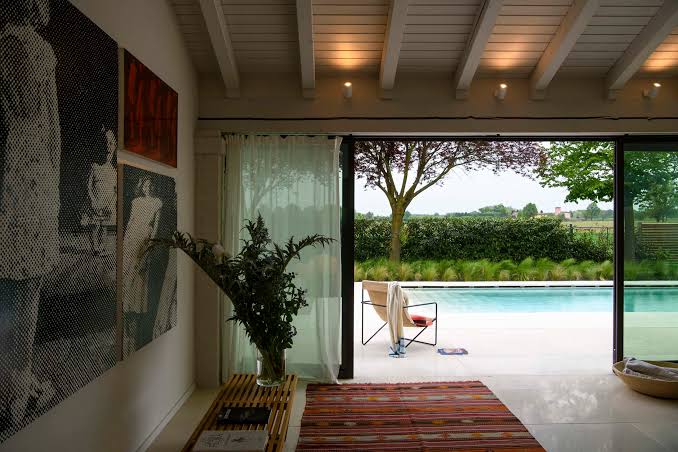
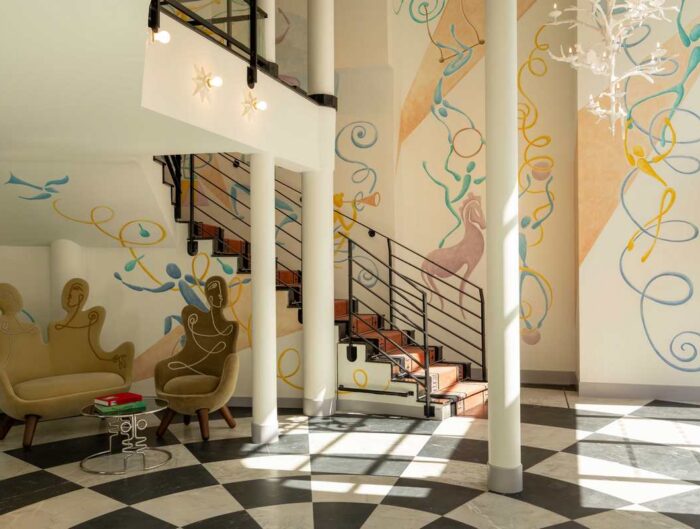
The house is filled with objects from their private world: contemporary art, books, thousands of vinyl records, iconic Italian cars, limited-edition motorcycles and ingredients that define Emilia-Romagna’s cuisine. Rather than reproducing the formality of a palace hotel, Casa Maria Luigia operates with the informality of an unusually cultured private home. Guests are encouraged to browse the records, wander through the garden and treat the shared spaces as places to inhabit rather than pass through on the way to their rooms.
Its success lies in making a highly curated experience appear personal instead of programmed. At this hotel, dinner is not an amenity.The centre of gravity is inevitably the food.
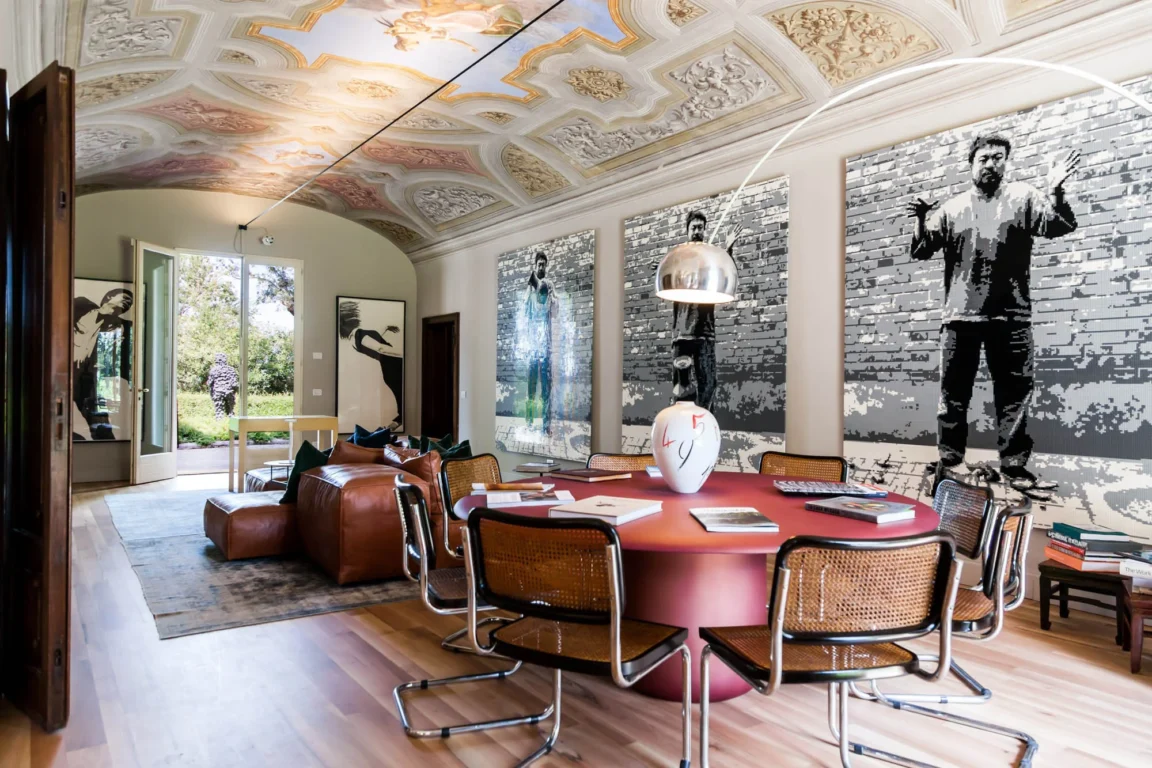
At Francescana at Maria Luigia, guests experience a nine-course menu built around dishes that have appeared during the history of Osteria Francescana. These are not simply Bottura classics transferred to a hotel restaurant. Together, they function as an edible archive of one of contemporary gastronomy’s most influential careers. Al Gatto Verde, meanwhile, explores live-fire cooking and the ingredients of Emilia-Romagna, while breakfast has become part of the property’s mythology in its own right. Even its balsamic vinegar has a physical home at Acetaia Maria Luigia.
This reverses the usual luxury-hotel formula. The restaurant has not been added to make the hotel more appealing. The rooms allow guests to remain inside the culinary world for longer.
The rise of the restaurant-led stay
Casa Maria Luigia’s debut at No.18 matters beyond the award itself. Hotels have long recruited famous chefs to lend prestige to their dining rooms. The newer model begins from the opposite direction: chefs and restaurateurs are creating places to stay around an already established philosophy of food, design and hospitality. Projects such as Ómós in Ireland are exploring the same territory on a smaller scale. The boundaries between destination restaurant, guesthouse, private home and cultural retreat are becoming less useful—and potentially less interesting. At Casa Maria Luigia, the personality of the owners is not polished out in favour of an international brand standard. It is the product.
Its position in the 2026 ranking suggests that the luxury-hospitality world is beginning to value precisely that kind of specificity. The hotel of the moment does not behave much like a conventional hotel. That may be the point.


 TheHotelTrotter.com is curated by greek journalist and fanatic hotel lover Eleni Stasinopoulou. With the eye of a fashion and lifestyle editor, Eleni hopes to inspire all connoisseurs of traveling, focusing on stylish hotel moments around the globe.
