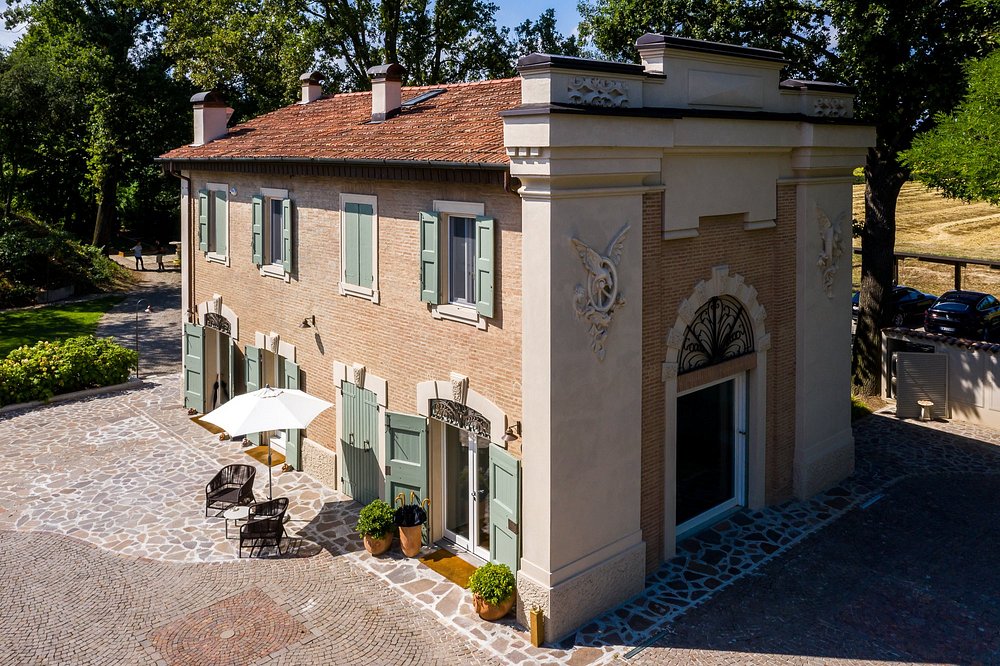
Hôtel du Couvent in Nice has won The World’s 50 Best Hotels Art of Design Award by allowing a 17th-century convent to remain quietly, unmistakably itself.
The French Riviera has never been known for understatement. Hôtel du Couvent, however, has earned one of hospitality’s most visible design awards by practising precisely that. The restored convent in Vieux Nice was named the winner of the Johnnie Walker Art of Design Award 2026 and ranked No.38 in The World’s 50 Best Hotels.
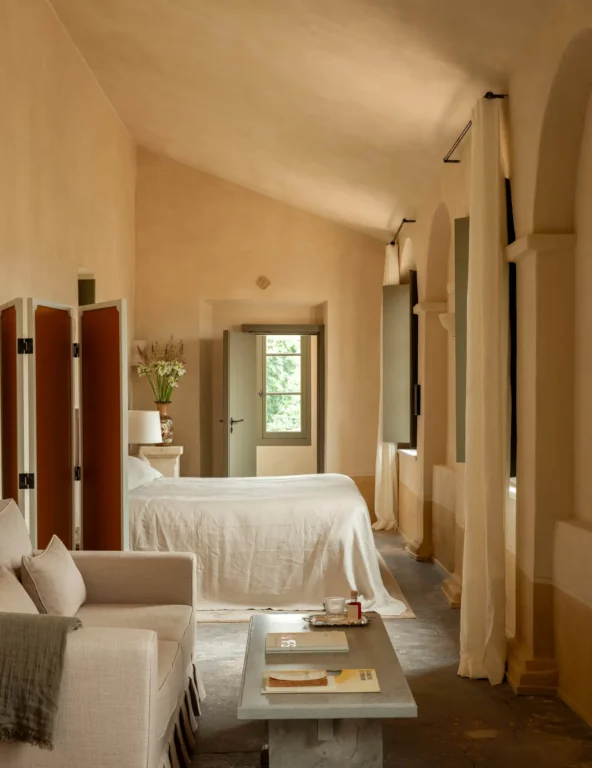
There are no obvious gestures designed for immediate social-media impact. Instead, the hotel unfolds through weathered stone, lime-washed walls, terracotta floors, cloisters and gardens that appear to have been accumulating slowly for centuries. The result feels less like a hotel inserted into an old building and more like an old building carefully persuaded to become a hotel.
Inside Nice’s Former Convent
The property occupies a 17th-century convent hidden above the narrow streets of Nice’s old town.
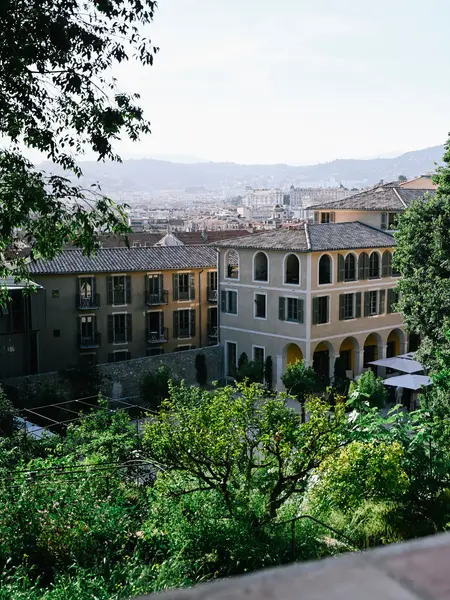
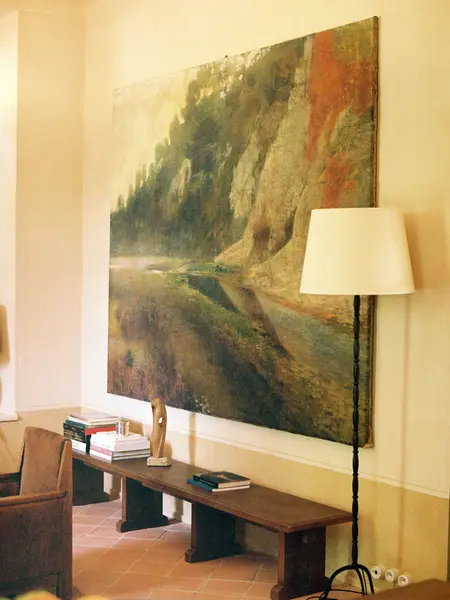
Its transformation brought together Studio Mumbai and Studio Méditerranée, with interiors by FESTEN. Rather than treating the structure as a picturesque shell, the design preserves its monastic proportions and sense of retreat. Rooms range from compact, cell-like spaces to larger apartments with kitchens and private gardens. In total, the hotel contains 88 rooms and suites. Furniture, textiles and objects have been selected with an apparent resistance to perfection.
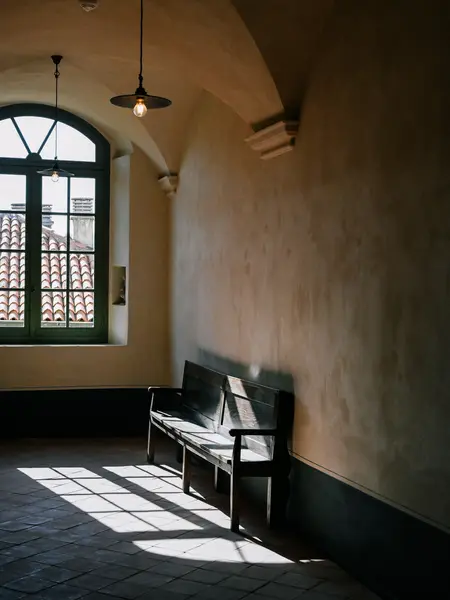
Wood is allowed to look like wood, stone carries its age, and rooms feel collected rather than decorated. The luxury is present, but it is rarely announced. This approach extends into the gardens, planted with Mediterranean herbs, vegetables and fruit trees. The property also operates its own bakery and draws much of its identity from the daily rhythms once associated with convent life: food, cultivation, movement and moments of quiet.
Roman Baths Beneath the Riviera
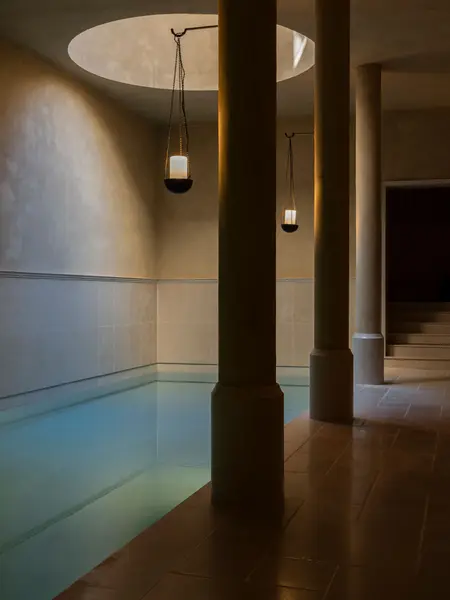
The hotel’s most dramatic feature is largely hidden underground. Its 7,500-square-foot Roman Baths follow the traditional sequence of tepidarium, caldarium and frigidarium, moving guests through water spaces of different temperatures. A movement studio and treatments bring the wellness offering closer to a ritual than a conventional hotel spa. It is a significant intervention, but one that does not compete with the historic architecture above it. That tension explains why Hôtel du Couvent feels relevant now. For years, luxury design was measured by the number of recognisable signatures a hotel could place in a room. Here, the design works by removing signatures and allowing material, landscape and history to lead.
A Quieter Idea of the Riviera
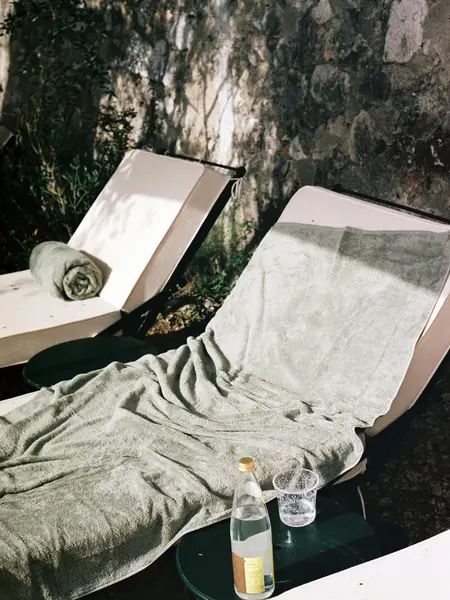
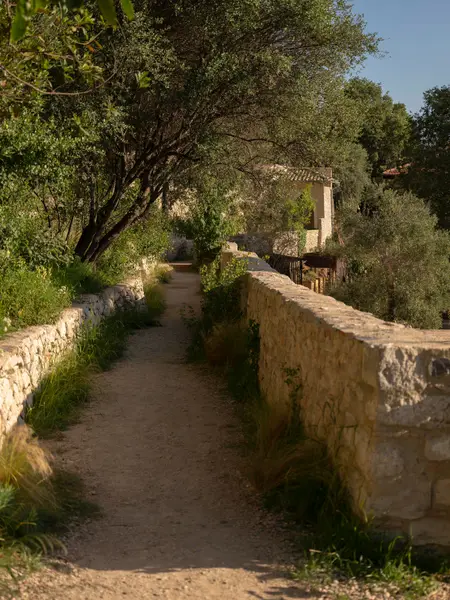
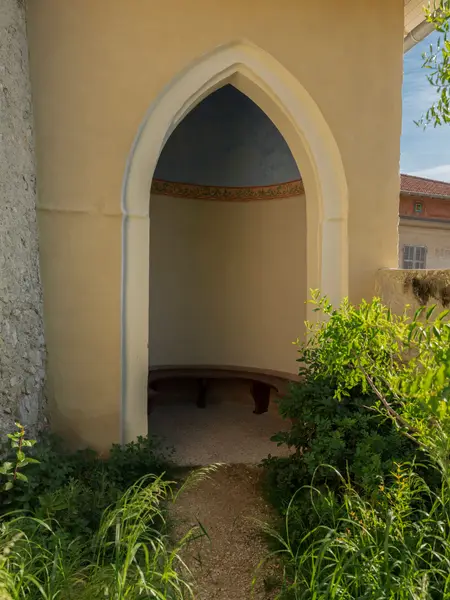
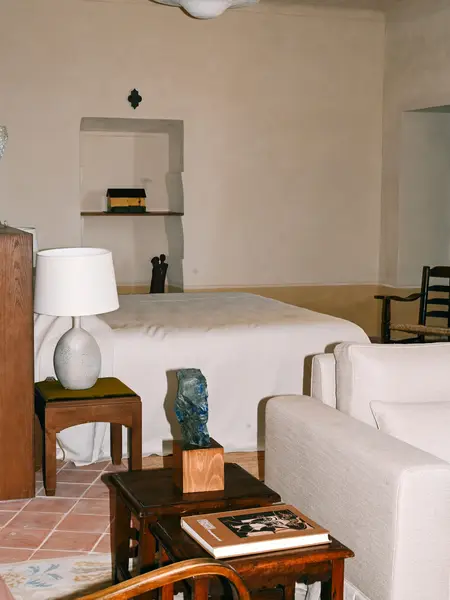
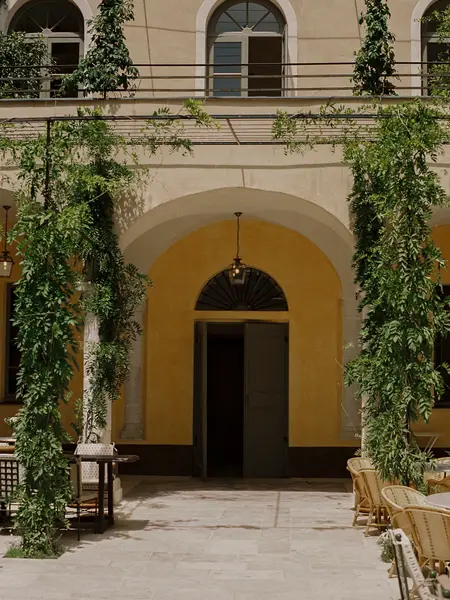
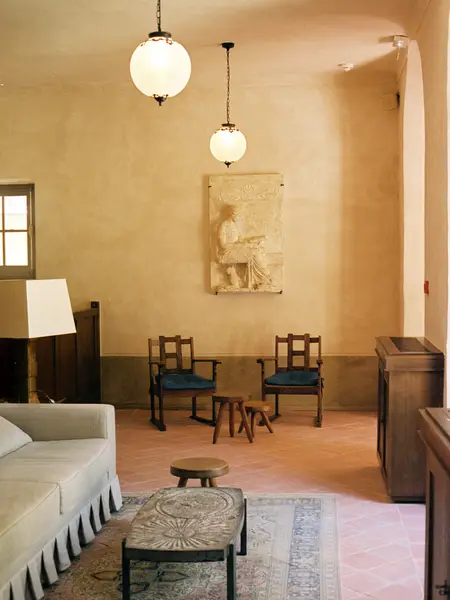
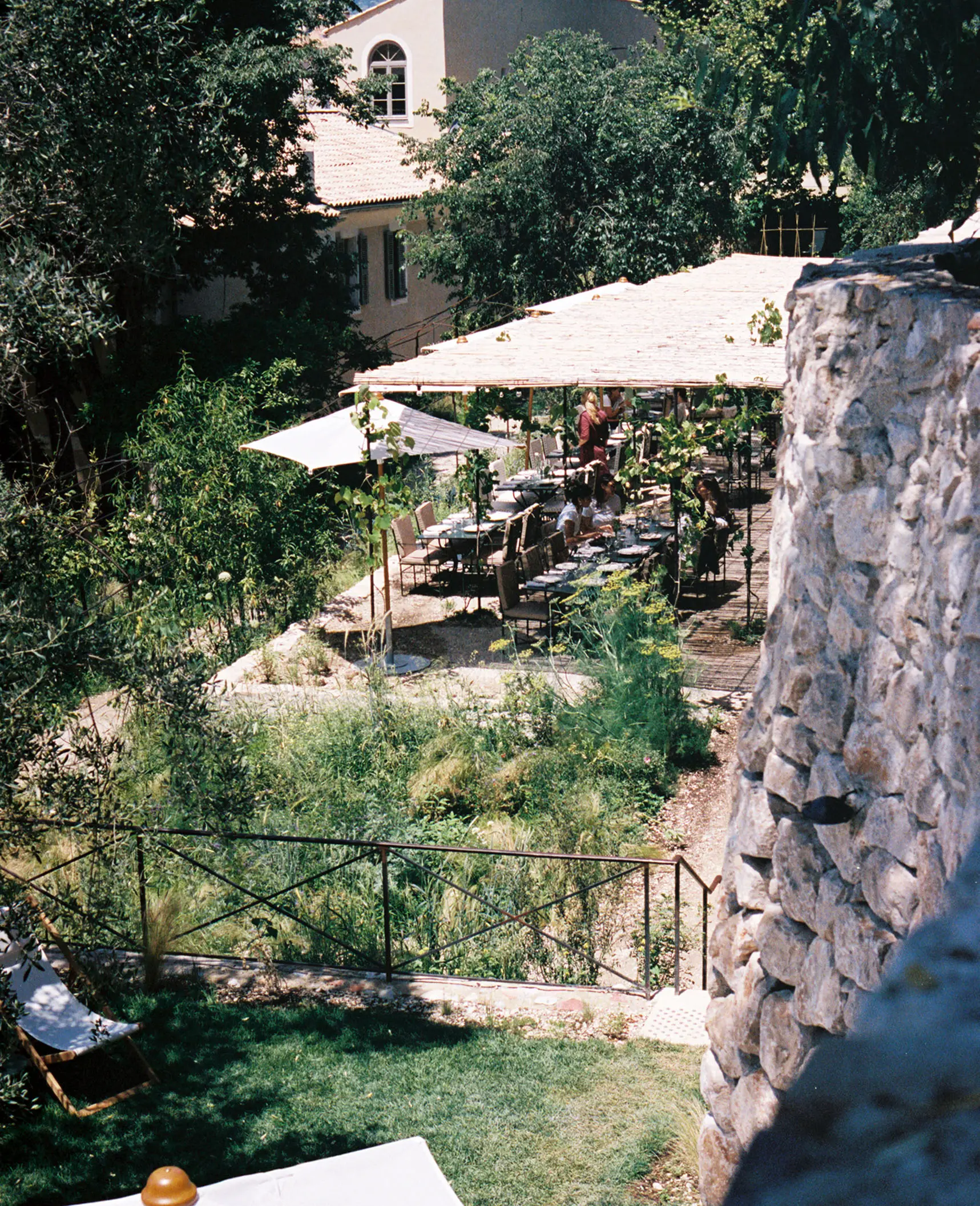
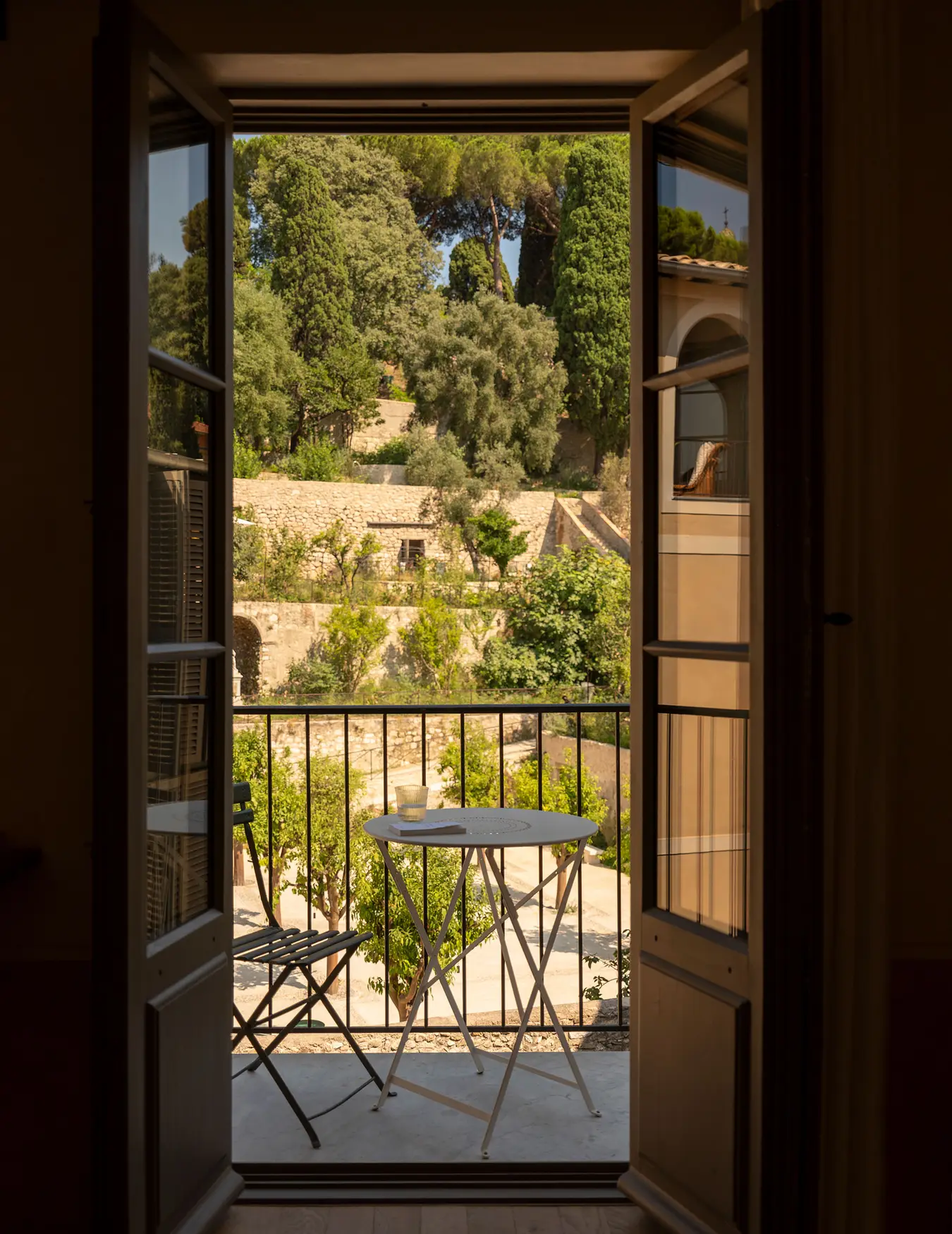
The Riviera’s grand hotels traditionally perform luxury through chandeliers, marble, polished service and sea-facing spectacle. Hôtel du Couvent offers something more inward-looking. Its gardens turn away from the city. Its baths sit below ground. Its rooms favour texture over decoration, while the original convent architecture introduces a form of privacy that cannot be manufactured by adding another velvet rope. The hotel’s new award does not simply recognise an attractive renovation. It reflects a broader change in hospitality design: the most sophisticated new hotels are increasingly the ones that know when to stop designing.



 TheHotelTrotter.com is curated by greek journalist and fanatic hotel lover Eleni Stasinopoulou. With the eye of a fashion and lifestyle editor, Eleni hopes to inspire all connoisseurs of traveling, focusing on stylish hotel moments around the globe.