
The secluded hotel in Netflix’s period mystery has all the makings of a Mediterranean escape. But can you book a room? Here is the story behind its beautiful setting.
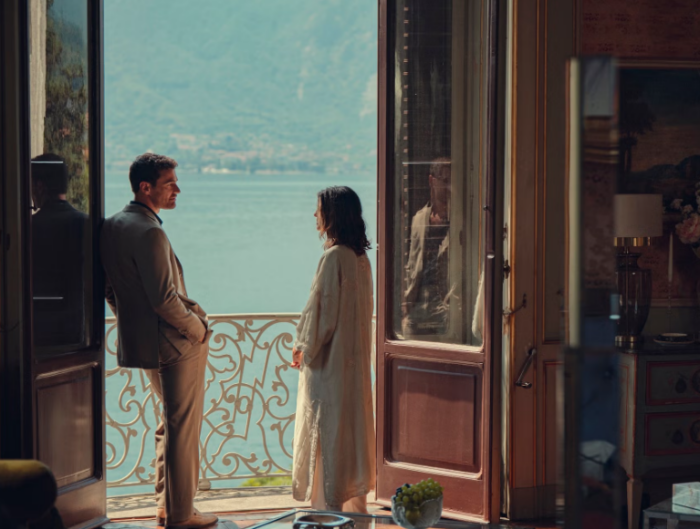
Some screen hotels have you reaching for the booking page before the first episode is over. The secluded retreat in Netflix’s The Final Problem is precisely that kind of place: gardens overlooking the Mediterranean, an elegant coastal house and the promise of being deliciously removed from everyday life. Preferably without a murder interrupting your stay. Based on Arturo Pérez-Reverte’s novel, the series transports viewers to spring 1959, when a storm strands thirteen people on a small island near Mallorca. Among them is Basil, a retired actor once famous for playing Sherlock Holmes, who finds himself investigating a very real death.
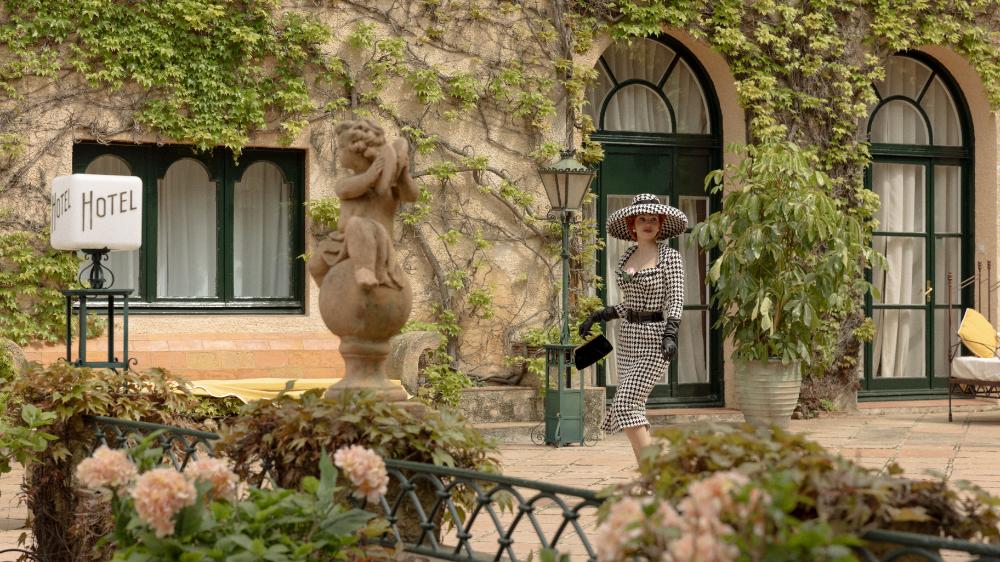
For hotel lovers, however, there is another mystery worth solving: does the hotel in The Final Problem actually exist, and can you stay there?
Is the hotel in The Final Problem real?
The short answer is that the hotel is fictional, so you cannot book a stay there. But the Mediterranean setting behind it is very real.
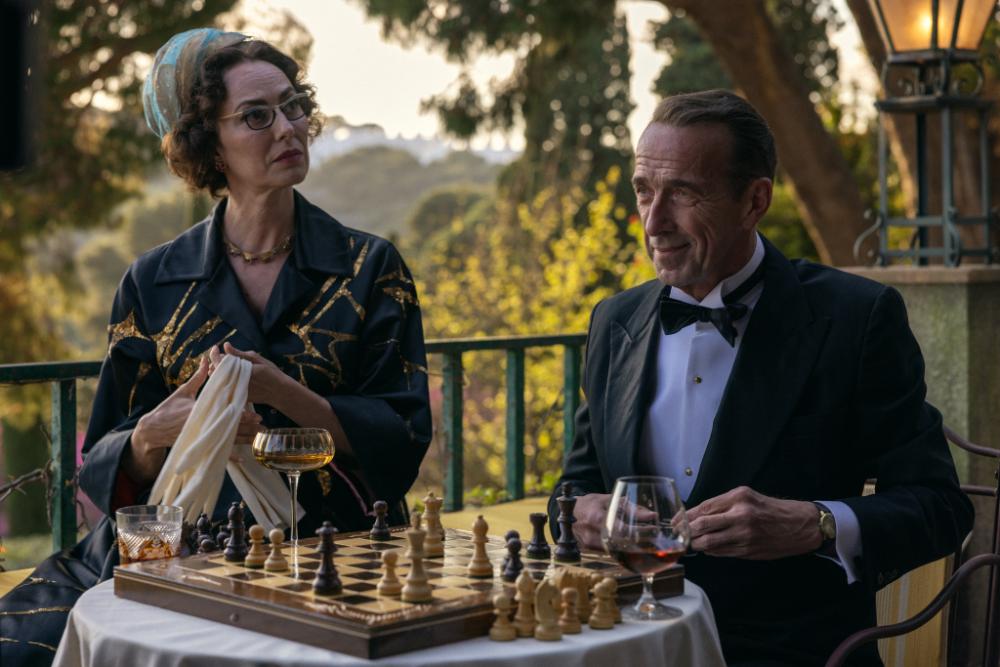 Rather than filming at an operating island hotel, the production brought together several locations in Lloret de Mar, on Spain’s Costa Brava. Three places were central to creating its secluded world: Santa Clotilde Gardens, Cala Sa Boadella and Casa Roviralta, the private house within the garden estate. Together, they helped create the impression of an intimate Mediterranean retreat in the 1950s. The house, gardens and coastline exist, but they do not form a hotel welcoming paying guests. The hotel interiors were recreated in a studio, while Netflix confirms that the production also filmed at its Tres Cantos hub near Madrid, with additional shooting in Madrid and Toledo. The address you see on screen is, in effect, a carefully assembled destination.
Where was The Final Problem filmed?
The story places its guests on an island near Mallorca, but its coastal filming locations take viewers to Catalonia. Filming began in Lloret de Mar in April 2025, with the local shoot lasting around two months. It is an inspired setting for a period mystery: a grand private house, formal gardens and a sheltered cove suggest a place with its own rituals, well beyond the reach of ordinary life. That sense of separation is also what makes the setting so tempting as a holiday destination. Alongside the suspense, there is the appeal of somewhere to dress for dinner, linger on a terrace and allow the sea to determine the pace of the day.
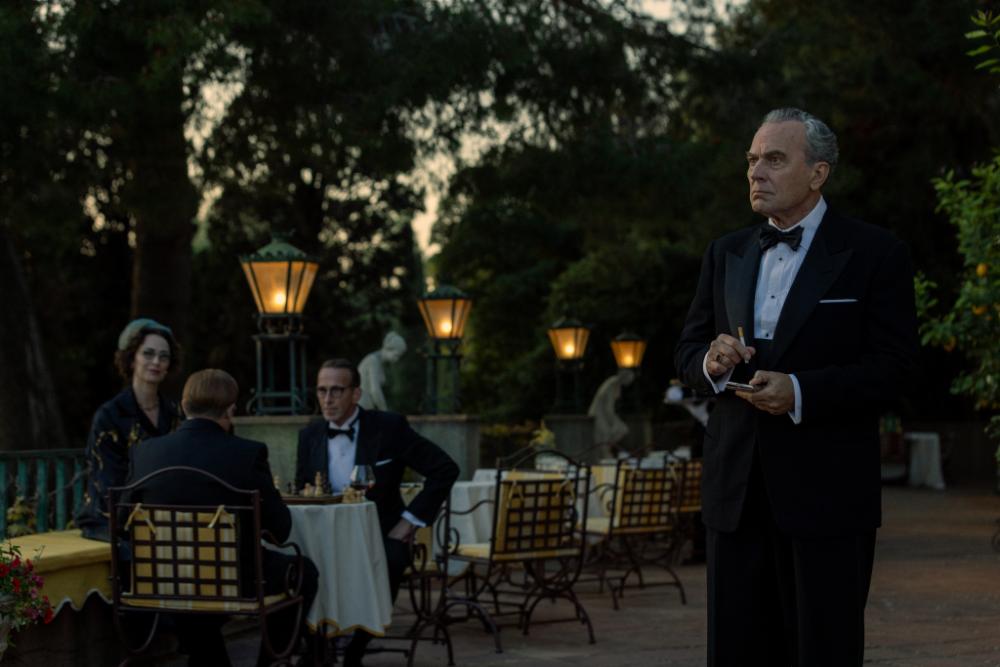 For anyone watching with a traveller’s eye, the Costa Brava scenery might prove just as distracting as the suspects.
Santa Clotilde Gardens: the location to save
If the series inspires a real trip, Santa Clotilde Gardens is the place to put on your itinerary. Commissioned in 1919 by the Marquis of Roviralta and designed by landscape architect Nicolau Maria Rubió i Tudurí, the gardens occupy a clifftop position between Boadella Cove and Fenals Beach. Inspired by Italian Renaissance gardens, they bring together formal planting, sculptural details, stairways and Mediterranean views. The sea becomes part of the design, appearing beyond the greenery and lending the carefully arranged landscape a sense of almost theatrical depth. It is easy to understand the attraction for filmmakers. The gardens already possess the atmosphere a production might otherwise have to invent: grandeur, privacy and the suggestion that something interesting could be happening just around the next hedge. Santa Clotilde Gardens is open to the public. The estate’s gardens remained in the Roviralta family until 1997, when they were acquired by the town council, and today are among Lloret de Mar’s cultural attractions.
What is Casa Roviralta?
Casa Roviralta is the private house associated with the Santa Clotilde estate, and one of the production’s confirmed filming locations. Its role helps explain why the hotel feels so convincing. A real residence gives the fictional setting architectural character and the intimacy of a private retreat. However, Casa Roviralta is not a bookable hotel, and a visit to the public gardens does not include access to the private house. Think of it as part of the story behind the scenery rather than an address for your next overnight stay.
And the beach in The Final Problem?
Cala Sa Boadella, also used during filming, provides the coastal counterpart to the estate’s formal gardens. Framed by rocks and Mediterranean vegetation, the cove contributes to the impression of an island hideaway. On screen, it helps establish the characters’ isolation; for travellers, its appeal is considerably simpler: a beautiful stretch of coastline to seek out while exploring Lloret de Mar. Pairing the gardens with time by the water offers a way to experience the landscape that gives the fictional hotel so much of its allure.
Can you stay at the hotel from The Final Problem?
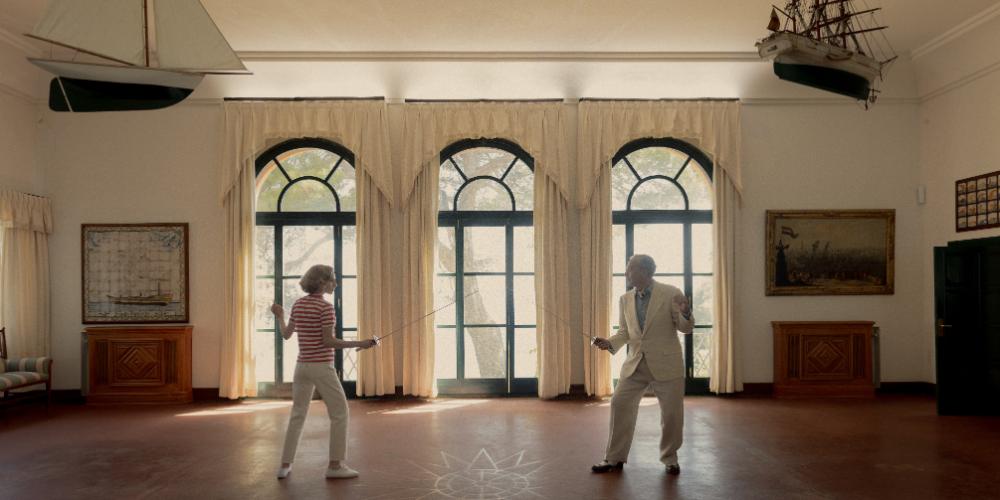 You cannot check into the hotel featured in The Final Problem. It is a fictional property created through real locations and studio sets, rather than an existing hotel with rooms to reserve. But you can visit the Costa Brava locations that helped bring it to life. Start with Santa Clotilde Gardens, take in the Mediterranean views and make time for Cala Sa Boadella. The room key may be out of reach. The scenery that made you want one is waiting in Lloret de Mar.



 TheHotelTrotter.com is curated by greek journalist and fanatic hotel lover Eleni Stasinopoulou. With the eye of a fashion and lifestyle editor, Eleni hopes to inspire all connoisseurs of traveling, focusing on stylish hotel moments around the globe.
