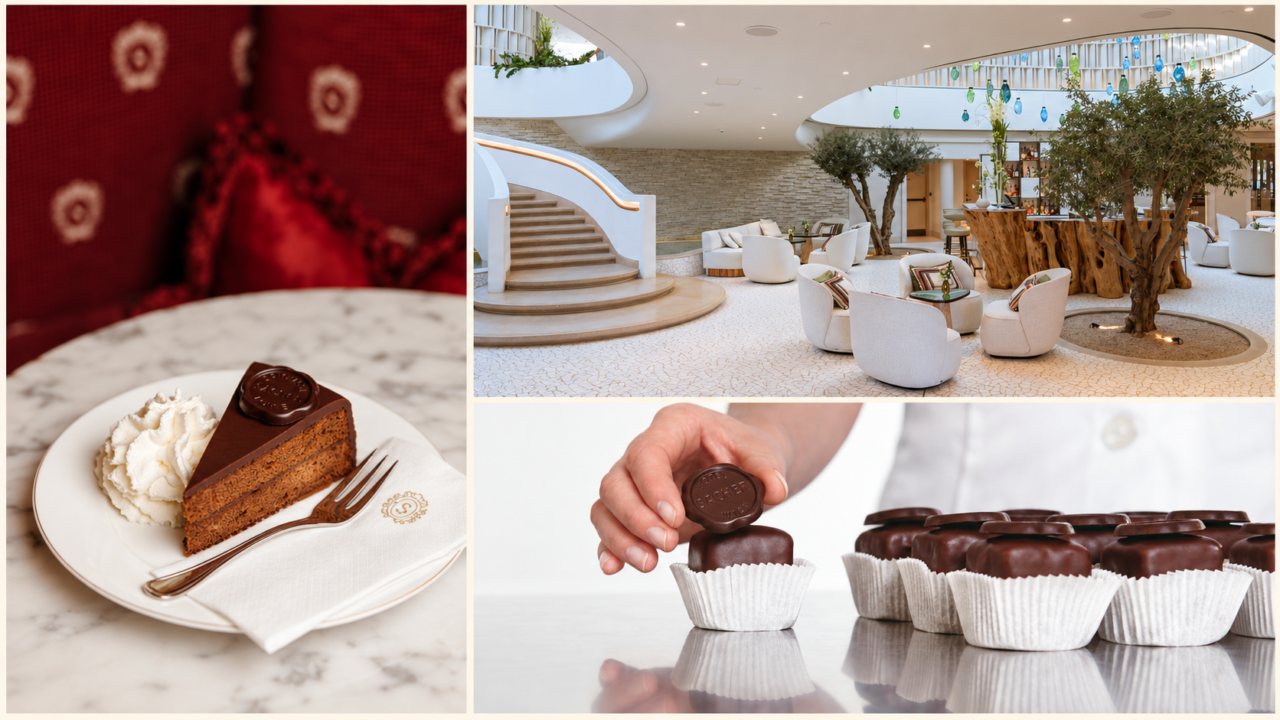
Efficient space management is crucial for enhancing guest experiences while maximizing operational effectiveness. Hoteliers face the challenge of optimizing limited space to accommodate various functions such as guest check-in, event hosting, dining, and storage. Implementing strategic space management solutions can greatly improve the atmosphere of a hotel, ensuring both guests and staff are satisfied. Addressing these space issues leads to better workflow and can significantly impact a hotel’s revenue potential. Through innovative design, technology, and planning, managers can create spaces that enable versatile use, leading to an enhanced guest experience.
Understanding Hotel Space Management Needs
The needs of each hotel are unique, dependent largely on its size, location, and target clientele. In larger establishments, efficient movement between reception areas, amenities, and accommodation is paramount. This can be traditionally assessed through the layout of spaces and their designated purposes. A well-thought-out design can minimize congestion during rush hours, ensuring a pleasant stay for all.
Guests often seek seamless transitions from one area to another, particularly during busy periods. Staff members deserve similar considerations. A thoughtfully arranged workflow allows employees to perform their duties with greater ease. Managers must consider peak times for check-in and check-out, food service, and event hosting, creating a layout that works for all scenarios. Regular evaluations of space utilization and guest flow contribute to ongoing improvements in the hotel’s operational efficiency.
Benefits of Technology in Space Management
Technology plays a vital role in modern space management strategies. Utilizing software solutions designed to track space utilization can provide insights into operational efficiency. These tools often feature analytics capabilities, allowing managers to observe patterns. This information empowers decision-makers to adjust layouts, staff assignments, and inventory storage responsively.
Integration of smart technologies, such as mobile apps for reservations and digital kiosks, can streamline operations, providing guests with immediate access to necessary services. Regular updates on usage and performance metrics ensure that the hotel adapts to evolving needs. Collaborating with experts such as the team at StoreLocal can provide hotels with tailored solutions that focus on space optimization through data-driven practices. This adaptability is particularly important in high-demand periods when every inch of space should be utilized effectively.
Innovative Design Strategies
Hotel interior design significantly influences how spaces are utilized and perceived. Strategically integrating multipurpose areas can be vital. A conference room can double as a social event venue, allowing more versatile use while minimizing the necessity for distinct spaces. Flexible seating arrangements can contribute to adaptable environments, accommodating varying group sizes.
Decor choices, such as color schemes and materials, can either enhance or detract from space functionality. An inviting aesthetic attracts guests and can elevate their stay, actively influencing their reviews and decisions to return. Outdoor spaces should be optimized, providing guests with a pleasant area to relax or enjoy meals. With creative design, even smaller spaces can evoke a sense of openness, using light and layout to enhance functionality.
Staff Training and Engagement
Proper training of hotel staff regarding the importance of space management is important. Employees should be aware of how their actions impact space usability and flow. Training workshops can equip them with effective techniques for keeping areas organized and functional. Engaged employees are more likely to contribute ideas for improving operations based on their daily experiences.
Open communication channels encourage team members to express their insights, driving a culture of problem-solving. Involving staff in space planning processes can lead to more practical solutions suited for real-life challenges. Creating a shared vision for the hotel’s layout ensures consistent collaboration towards maintaining functional spaces and enhancing guest satisfaction.
Measuring Success Through Feedback
Regularly soliciting guest feedback is an integral part of space management actions. Surveys can offer detailed insights into guest satisfaction regarding space utility and flow. Questions should include inquiries about ease of access, comfort within spaces, and ambiance. Assessing this feedback allows hotel management teams to prioritize changes based on specific guest experiences.
Adhering to this responsive approach ensures that important updates or renovations reflect the actual needs of guests rather than assumptions. Monitoring metrics such as occupancy rates and event bookings can indicate the success of recently implemented space management strategies. Consistent evaluation creates opportunities for ongoing improvement in both guest experience and operational efficiency.
Creating Partnerships for Better Outcomes
Partnering with specialists can bring valuable insights for enhancing space management processes. Collaboration with design and logistics experts can reveal innovative solutions tailored to a hotel’s specific needs. They can provide advice on optimizing storage solutions, maximizing guest areas, and improving movement flows.
Establishing relationships with technology providers who specialize in space management can yield beneficial resources that integrate seamlessly with existing hotel systems. These partnerships can ease the challenges faced by management, enabling hotels to maintain a competitive edge within the hospitality sector. By leveraging the expertise of various providers, hotels can continuously evolve to meet contemporary expectations.
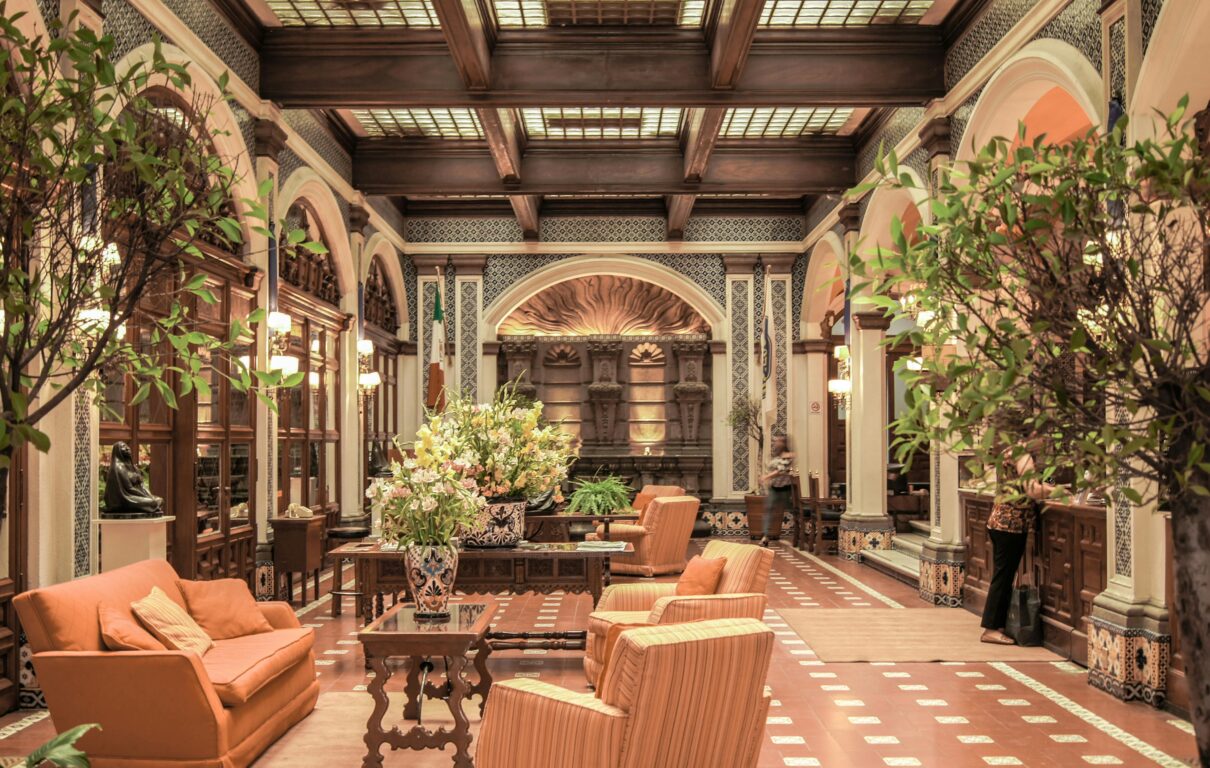
Establishing efficient space management solutions is vital in hotel operations. By understanding their unique needs, leveraging technology, integrating innovative designs, engaging staff, measuring success, and creating partnerships, hotels can create optimal environments that satisfy both guests and operational demands. These strategies enhance guest experiences and promote long-term success within the competitive hospitality market.



 TheHotelTrotter.com is curated by greek journalist and fanatic hotel lover Eleni Stasinopoulou. With the eye of a fashion and lifestyle editor, Eleni hopes to inspire all connoisseurs of traveling, focusing on stylish hotel moments around the globe.